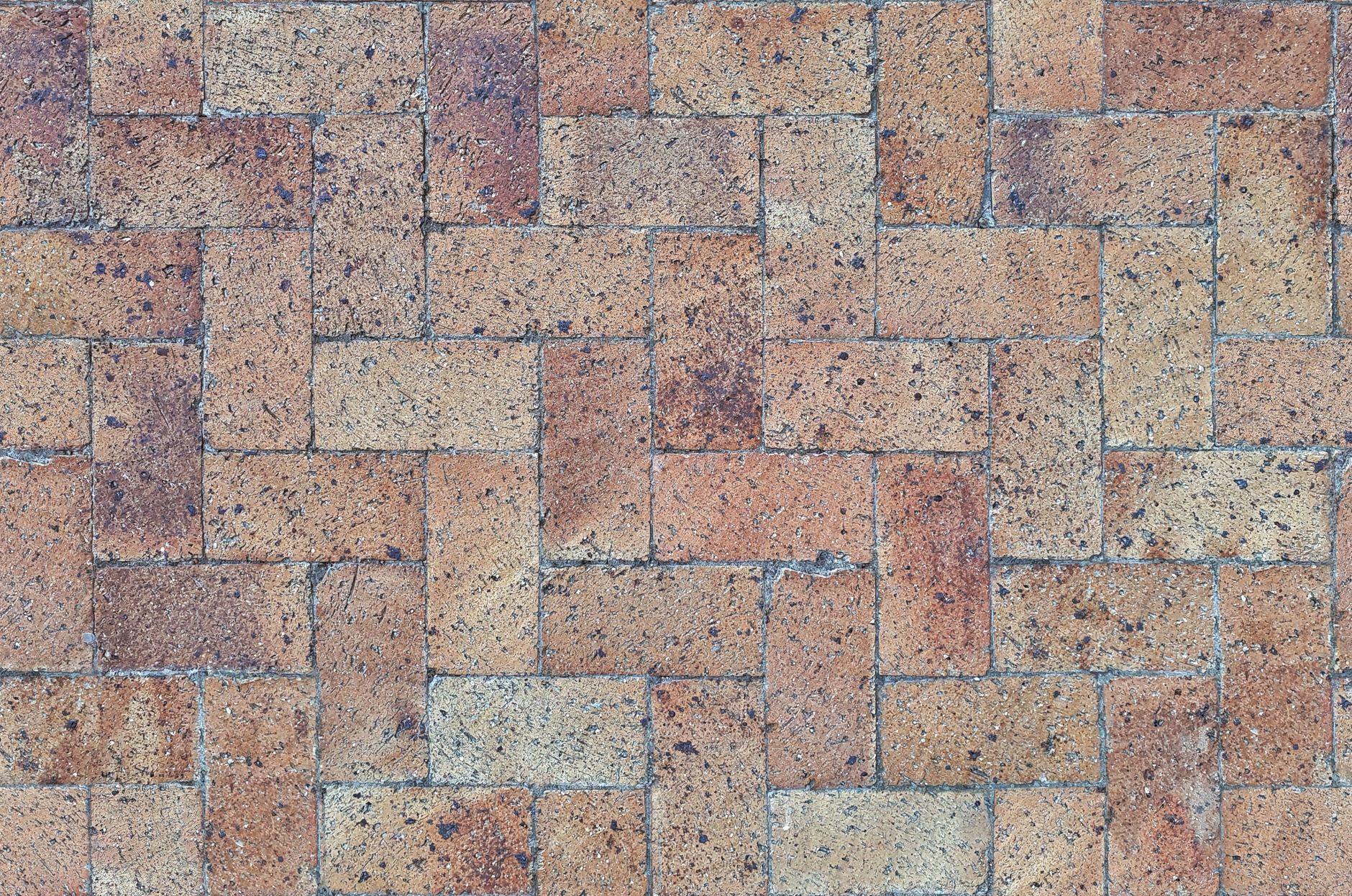
Nearly every Lakewood Ranch driveway, walkway and pool deck is pavers, and nearly every homeowner has been told a different number for how often to seal them. Two years, three years, five years, never. The honest answer depends on sun exposure, irrigation and which sealer was used last time. Here is how to figure out your own schedule and how to hire the work.
Why sealer does not last as long here
Paver sealer is a clear coating that sits on and in the surface of the paver. Three things break it down, and Lakewood Ranch has all three in abundance:
- UV. Florida sun degrades most sealers faster than the label suggests. South and west facing driveways go first.
- Water. Irrigation overspray, afternoon storms and pool splash keep pavers wet. Constant wet and dry cycles lift the sealer and feed algae and mold underneath it.
- Heat. Pavers in July reach temperatures that soften lower-quality sealers and trap moisture under them, which is how you end up with a white, cloudy haze.
A good sealer applied correctly on a clean, dry surface typically holds up for two to three years on a driveway and often three to four years on a covered lanai. Cheaper products or a rushed job can fail within a year.
How to tell when it is time
You do not need to seal on a calendar. Check for these instead:
- Water soaks in instead of beading. Pour a cup of water on a sunny section. If it darkens the paver and soaks in within a minute, the sealer is gone.
- Color has faded back to the dull, chalky look of unsealed concrete.
- Weeds and algae are coming back in the joints. Good sealer hardens the joint sand and slows both.
- Joint sand is washing out or ants are moving it.
- Efflorescence, the white mineral haze, is showing on the surface.
If the surface still beads water and the color looks good, wait. Over-sealing causes its own problems, including a thick, plasticky build-up that peels.
What a proper sealing job includes
The sealer is the last step. The work is in what comes before it:
- Cleaning. Pressure washing at the right pressure with a surface cleaner, plus treatment for mold, algae, rust stains and oil spots. Too much pressure etches the paver surface.
- Stripping, if the old sealer has failed badly or a different product is going on. Not every job needs it, but a company should tell you whether yours does.
- Drying. Pavers must be dry all the way through before sealing. In Florida that means at least a day, often two, with no rain. A company that cleans and seals the same afternoon in summer is gambling with your money.
- Re-sanding the joints with polymeric or regular joint sand, swept in and tamped.
- Sealing with a product matched to your pavers and your goal. Two thin coats beat one heavy one.
Wet look versus natural
The main decision for appearance:
- Natural or matte finish protects without changing the look. Shows wear less, easier to maintain.
- Wet look or semi-gloss darkens the color and adds shine. Popular on pool decks. Shows scratches and tire marks more and can be slick when wet unless an anti-slip additive is used. Ask about that for any pool deck.
Also ask whether the product is solvent-based or water-based. Both work. Solvent-based products often go on deeper and last longer but have strong fumes and stricter application conditions. Water-based products are easier to apply and recoat. The brand and the installer’s experience with it matter more than the category.
Lakewood Ranch specifics
- Irrigation. Adjust or cap sprinkler heads that spray the driveway before sealing, or the sealer will fail along the edge first. A good company will point this out.
- Reclaimed water. Many neighborhoods irrigate with reclaimed water, which leaves mineral stains on pavers. Ask whether the cleaning step addresses it.
- HOA rules. Some communities have rules about driveway appearance and work hours. Sealing itself is almost never restricted, but check.
- Pool decks. Confirm the company will protect the pool and screen enclosure from overspray and will not run pressure washing water into the pool.
How to vet a paver sealing company
Paver sealing does not require a Florida license, so the market ranges from established pressure washing companies to a guy with a sprayer. What to check:
- Insurance. General liability at minimum. Sealer overspray on a garage door or car is a real claim.
- Which product they use and whether they will tell you the brand. Vague answers mean a bulk product of unknown quality.
- Dry time. Ask how long between cleaning and sealing. The right answer is at least a day.
- Warranty. Many companies offer one to two years against peeling or whitening. Get it in writing.
Reading the reviews
Our pressure washing and paver sealing listings aggregate ratings across platforms. In the review text, look for:
- Pavers that turned white or cloudy after sealing. That is the classic trapped-moisture failure.
- Peeling within the first year.
- Sealer on the garage door, pool cage or landscaping.
- Whether the company came back to fix a problem.
The short version
Seal pavers when water stops beading, not on a fixed schedule. Expect two to three years on a sunny driveway. Hire a company that cleans, lets the pavers dry fully, re-sands and applies a named product in thin coats, and check their reviews for whitening and peeling. Good sealing is mostly patience.
Browse the full pressure washing directory and the top rated home pros in Lakewood Ranch.
Published October 2, 2026. Lakewood Ranch Home Pros is an independent directory and does not accept payment for rankings. Verify licenses and ratings at the linked sources before hiring.