Florida is the best place in the country to be a bug. Lakewood Ranch adds year round warmth, irrigated lawns, mulched beds against every foundation and thousands of palms that roof rats treat as highways. Nearly every household here ends up with a pest control contract. The question is whether the company holding it knows what it is doing. Here is how to tell.
The license is issued by the Department of Agriculture, not the DBPR
Pest control in Florida is regulated under Chapter 482 by the Florida Department of Agriculture and Consumer Services, not by the construction licensing board. A legitimate company holds a pest control business license, has a certified operator in charge for each category of work it performs, and every technician who enters your home must carry an identification card issued by the state.
The categories matter. General household pest control, termite and other wood destroying organisms, and lawn and ornamental pest control are separate certifications. A company licensed for household pests is not automatically licensed to treat your lawn for chinch bugs or your home for termites. Ask which categories the company holds and look it up on the FDACS license search before you sign anything.
Termites: the contract that matters most
Both subterranean and drywood termites are active in Manatee and Sarasota County, and Formosan subterranean termites have been documented in the area. A termite relationship with a pest company has three pieces:
- The inspection. A wood destroying organism inspection on the state form is what lenders require at sale and what tells you where you stand now.
- The treatment. Subterranean termites are treated with a liquid soil barrier or a bait station system. Drywood termites in a limited area can be spot treated. Widespread drywood infestations usually require tent fumigation, and a company that promises to cure a whole house drywood problem without a tent should be able to explain exactly how.
- The bond. A termite bond is a renewable annual contract. A retreatment only bond means they come back and treat again if termites return. A repair bond also pays for damage up to a limit. The difference in price is real, and so is the difference in protection. Read which one you are buying and whether it transfers when you sell.
Newer Lakewood Ranch homes were pretreated at construction. Ask the company whether that treatment is still in effect and who holds the bond on it.
Know the local pests before the salesperson describes them
A company that works Lakewood Ranch every day should recognize these immediately:
- Ghost ants and big-headed ants in kitchens and bathrooms. Baiting works. Blanket spraying usually makes ant problems worse by scattering the colony.
- Roof rats in attics and lanai cages, especially on lots with mature palms and citrus. Exclusion, meaning sealing the entry points, is the real fix. Bait alone is a subscription.
- Chinch bugs and sod webworms in St. Augustine lawns during summer. This is lawn and ornamental work and requires that separate certification.
- Mosquitoes around retention ponds and screened lanais. Monthly barrier treatments are popular. Ask what product is used and how it affects pollinators.
- German cockroaches indoors and American and smokybrown cockroaches coming in from outside. Different pests, different treatments.
- Drywood termite frass, the tiny pellet piles on windowsills that many homeowners mistake for sawdust.
Quarterly plans and what they actually include
Most companies sell a recurring plan, usually quarterly or bi-monthly, with free callbacks between visits. These are reasonable for Florida. What to pin down:
- What is treated: exterior perimeter only, or interior too?
- Which pests are covered and which are excluded? Termites, bed bugs, rodents and lawn pests are almost always separate.
- Is there a contract term, and what is the cancellation fee?
- Does the price increase automatically each year?
A company practicing integrated pest management will ask about moisture, mulch depth, tree limbs touching the roof and gaps around the garage door before it reaches for a sprayer. A company that walks the perimeter in ten minutes and leaves an invoice is selling you a schedule, not a service.
Safety questions you are allowed to ask
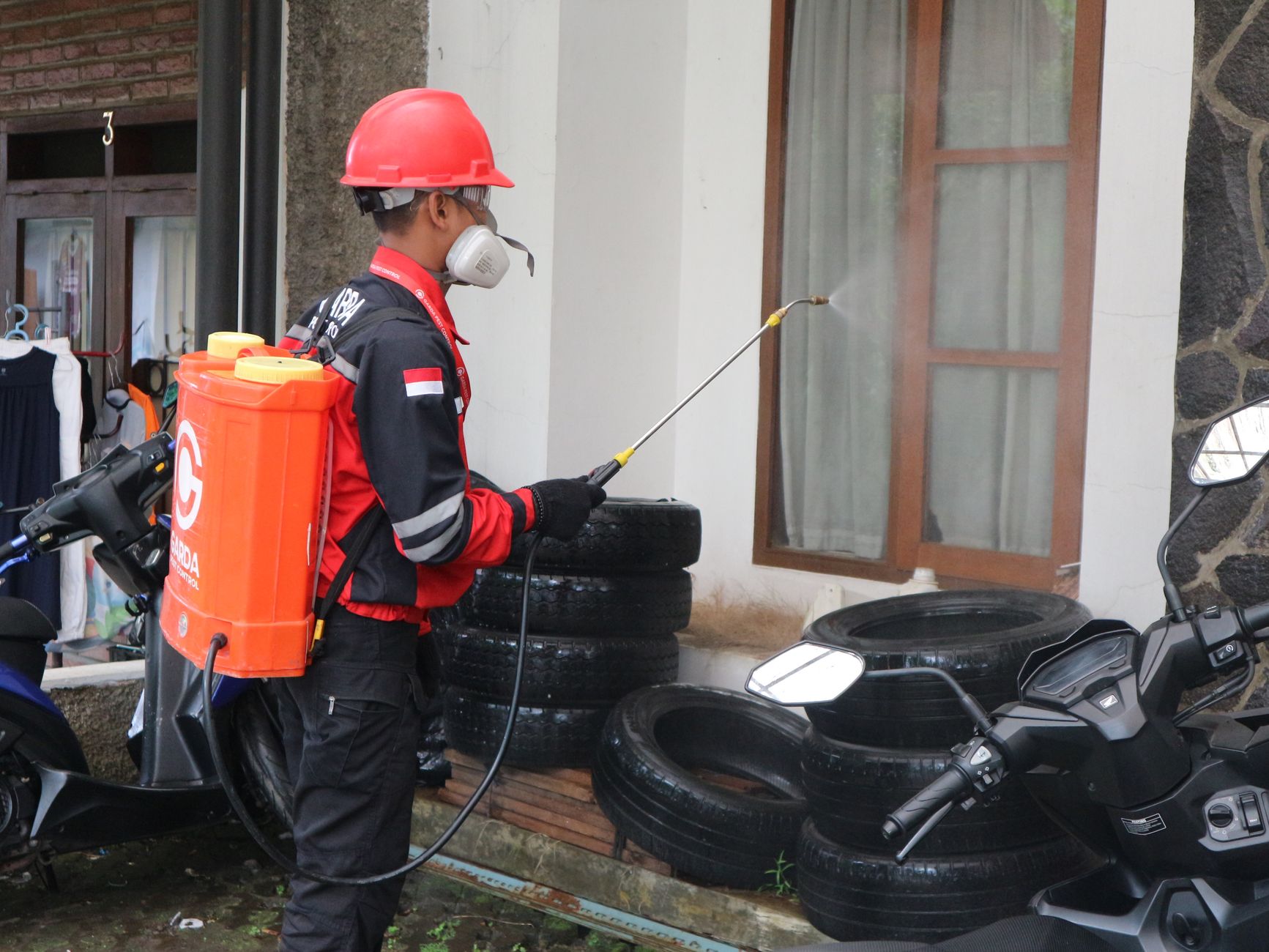
Ask for the product label and safety data sheet for anything applied inside your home. Ask about reentry times for children and pets, and whether the technician treats around the pool and lanai where chemicals can end up in the water. A professional answers these without hesitation.
Sales tactics to watch for
The pest control industry in Florida runs on door to door summer sales teams. Some represent good companies. The pattern to be careful with is a young salesperson who claims to be “treating your neighbor’s house today,” offers a same day discount that expires when they leave, and signs you to a multi-year agreement with an early termination fee. Say you will think about it. A real company will still be there tomorrow.
Other red flags:
- No FDACS license number on the vehicle, the contract or the website.
- A technician without a state identification card.
- A “free termite inspection” that finds termites in every house on the street.
- Pressure to tent for a drywood problem that has not been confirmed with evidence.
- Vague language about which pests the plan covers.
Reading the reviews
Our pest control listings pull Google, Yelp, Angi and BBB ratings together. For this trade, read for:
- Whether the problem was actually solved or whether the customer kept calling back.
- Billing complaints, especially auto-renewals and cancellation fees.
- Technician consistency and whether they showed up when scheduled.
- How termite claims were handled under the bond.
Check the lowest rated list too. Some of the most heavily marketed pest companies in the area are on it.
The short version
Confirm the Chapter 482 license and the categories it covers, understand exactly what your termite bond pays for, get the plan’s coverage in writing, and never sign at the door. Then watch whether the ants actually go away.
Start with the top rated home pros in Lakewood Ranch and the full pest control directory.
Published September 23, 2026. Lakewood Ranch Home Pros is an independent directory and does not accept payment for rankings. Verify licenses and ratings at the linked sources before hiring.